
In Case of Death Binder: What to Put In It, and DIY vs Nokbox vs Everplans
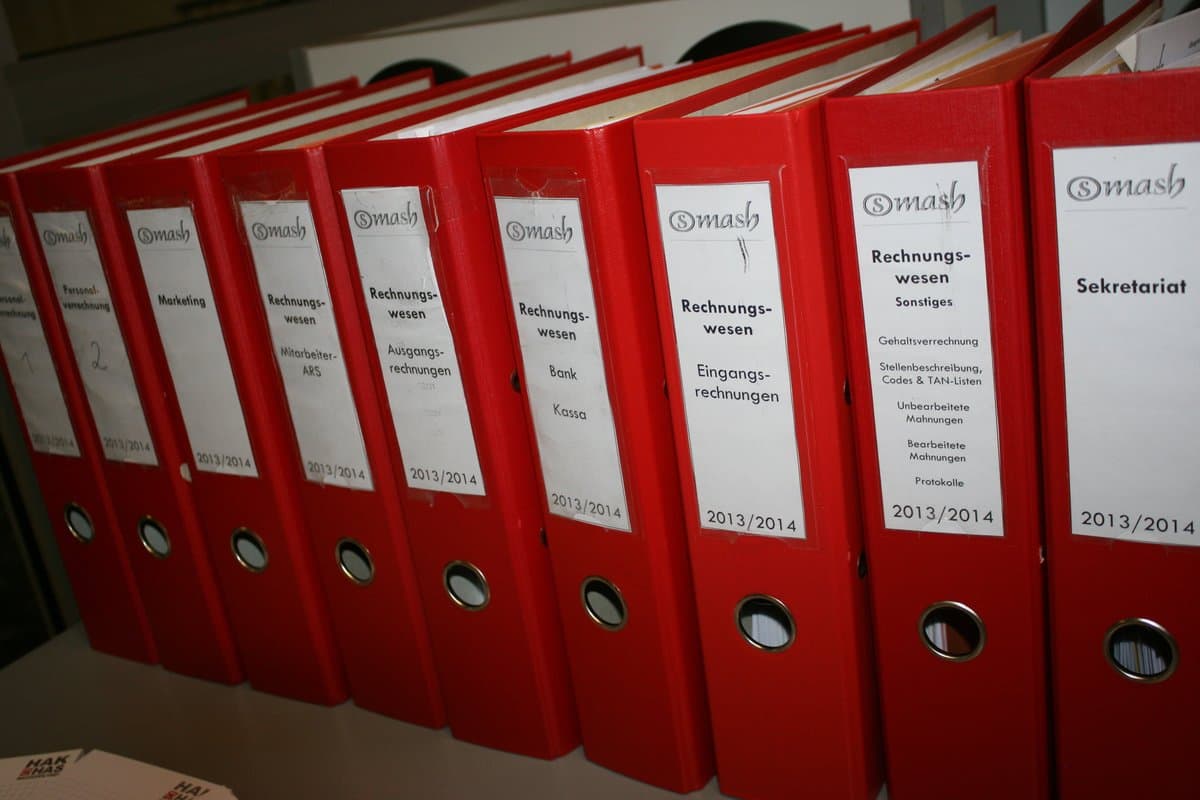
An in case of death binder is one folder that holds everything your family will need if you are very ill or die. It says who to call, where your money is and which bills to stop. It records what you want for your care and funeral, and where the original papers are kept. You can build one yourself this weekend for the cost of a binder and some dividers. Or you can buy a ready-made system. On 2 November 2026, The Nokbox kits had regular prices from $69 to $179, and Everplans Premium cost $99.99 a year.
Below is a section-by-section checklist, what not to put in it, where to keep it, and a fair comparison of the options.
Why does a death binder matter?
Picture a phone call on an ordinary Tuesday. Your brother has had a stroke. He lives alone. The hospital needs his insurance details. His landlord needs the rent. His dog needs feeding. You have a spare key, but no idea where he keeps anything.
Families in this spot spend weeks hunting. They open every drawer. They guess at passwords. They phone banks that will not talk to them. They find bills only when they come back unpaid.
The US National Institute on Aging puts it simply. Keep your important papers in one place, and tell someone you trust where to find them (NIA). A death binder is that one place.
It is not only for old age. Any adult with a bank account, a phone or a pet has things someone else would need to find.
What goes in a death binder? The checklist
Use one divider for each section. In each one, put copies or notes, and write where the original is.
| Section | What to include |
|---|---|
| 1. Read me first | A one-page letter: who to call first, where the will is, where the keys are, how to reach your phone or password manager. |
| 2. Key contacts | Family, close friends, doctor, lawyer, accountant, financial adviser, employer, faith leader, neighbours with a key. |
| 3. Personal records | Full legal name, date and place of birth, Social Security or national insurance number, and where to find birth, marriage, divorce, citizenship and military papers. |
| 4. Legal papers | Copies of your will, trust, powers of attorney and any guardianship wishes, with the location of each original. |
| 5. Health | Doctors, current medicines, allergies, health insurance, and copies of your living will, health care proxy and any DNR or POLST order. |
| 6. Money | Bank and credit union accounts, pensions, retirement accounts, investments, and the most recent tax return. |
| 7. Insurance | Life, home, car, long-term care and funeral policies, with policy numbers and agents' phone numbers. |
| 8. Debts and bills | Mortgage, loans, credit cards, property tax, utilities and subscriptions, and how each is paid. |
| 9. Property | Home deed, car title and registration, storage units, safe deposit box and where its key is. |
| 10. Funeral wishes | Burial or cremation, service wishes, music, readings, any prepaid plan, and organ or body donation choices. |
| 11. Digital life | Email, phone, photos, social media and online accounts, legacy contact settings, and how to reach your password manager. |
| 12. Pets and dependants | Who takes them, vet details, feeding and medicines, and anyone else who relies on you. |
| 13. Letters | Optional notes to the people you love. |
This list follows the NIA's checklist of personal, financial and health records, plus a few sections families often wish they had (NIA).
What should you not put in a death binder?
A death binder holds information. It is not a safe for every original.
- Your original will. Keep it where your lawyer advises, or where it is safe from fire and water. Put a copy in the binder and write where the original is. In England and Wales, you can also store a will with the courts service, says Citizens Advice.
- Passwords in plain text. A paper list can be stolen and goes out of date fast. A safer option is a password manager, with only the instructions for reaching it in the binder.
- Full card numbers and PINs. The account name and last four digits are enough for your family to know it exists.
- Cash and valuables. Note where they are instead.
Also, do not put passwords or account details in your will. In England and Wales, once probate is granted, anyone can get a copy of a will (Citizens Advice).
Where should you keep it, and who gets a copy?
Keep it somewhere safe, dry and easy for the right people to reach. A fireproof, waterproof box at home works well. The NIA suggests a safe for extra security. If your papers are in a bank safe deposit box, keep copies at home (NIA).
Then tell people.
- Your executor and your financial power of attorney need to know where it is.
- Your health care decision-maker needs copies of the health section.
- Your doctor needs your advance directive.
- One trusted backup person, in case the others cannot act.
You do not need to show anyone what is inside. The NIA says someone you trust should simply know where to find your papers.
Paper binder or digital vault?
Both work. Many people use both.
A paper binder needs no logins and no subscription. Anyone with the key can use it. But it can be lost in a fire or flood, and it needs updating by hand.
A digital vault can be shared with several people and updated from your phone. But it relies on a company, a subscription and your family's ability to log in. If you stop paying, check what happens to your data.
A good middle path: a paper binder at home, plus a scan of the key pages stored securely, and one person who knows how to reach both.
DIY vs Nokbox vs Everplans vs the Planning Library: which should you choose?
We checked each price on the company's own site on 2 November 2026. We have no affiliate links and earn nothing from these companies.
| Option | Price | What you get | Best for |
|---|---|---|---|
| DIY binder | The cost of a binder, dividers and sleeves | Your own sections, using the checklist above | People who like to build their own system |
| The Nokbox | $69 (Lite) to $179 (Fireproof), regular prices on 2 November 2026 | A physical box of labelled folders with a checklist in each. The maker describes 67 folders in 15 categories. Kits with estate planning documents: $159 to $269 | People who want a ready-made physical filing system |
| Everplans | Free (up to 3 items) or Premium $99.99/year | A secure online vault with guidance, checklists and sharing | People who want everything online and shareable |
| Complete Planning Library (ours) | $39, once | Printable PDF worksheets to fill in and put in a binder: documents and accounts organizer, My Wishes, funeral planning, digital life inventory, "Where to Find Everything" and more | People who want guided pages to fill in, at a low one-time price |
The Nokbox is a physical system. Its makers say each folder has a checklist: one side tells you what to add, and the other tells your next of kin what to do with it (The Nokbox). If you like opening a box and filing papers, it does a lot of the thinking for you.
Everplans is online. The free plan stores up to 3 items. Premium adds unlimited items, premium checklists and secure sharing for $99.99 a year (Everplans). If your family is spread out, sharing online is a real plus. Remember it is a yearly cost.
Our Complete Planning Library is different again. It is a set of printable worksheets, not a box or an app. You print them, fill them in by hand and keep them in your own binder. It costs $39 once, with no subscription. It costs less because you download it, so there is nothing to post, and we made each kit once so every family that uses it shares that cost. It is for people who are ready to sit down and fill in the pages. If you would rather have someone else design the filing, The Nokbox may suit you better. If you want an online vault your family can log in to, Everplans may suit you better.
None of these is a will or a legal document. Each one helps your family find and use the legal papers you make.
How do you build a death binder in one weekend?
Saturday morning: gather. Get a binder, 13 dividers and some clear sleeves. Walk through your home with a box. Collect statements, policies, deeds, titles and any legal papers.
Saturday afternoon: sort. File each item behind the right divider. Where you do not want the original in the binder, make a copy or write a note saying where it is.
Sunday morning: fill the gaps. List every account you can think of. Check your phone's banking and subscription apps. Write down your doctors and medicines. Note what is missing, such as a will or a power of attorney.
Sunday afternoon: write and share. Write the one-page "read me first" letter. Put the binder somewhere safe. Tell your chosen people where it is.
Every year: update. Pick a date, such as your birthday or New Year's Day. The NIA suggests reviewing your plans at least once a year, and after big life changes.
If your binder shows a missing legal paper, our end-of-life planning checklist puts each one in order. For the digital section, read who gets your photos and voice messages when you die. Our free end-of-life readiness check shows which pieces you still need, in a few minutes.
The honest lesson
A death binder is not about death. It is about the people who will stand in your kitchen one day, trying to do right by you.
Everyone dies. Not everyone leaves a mess. One weekend, a binder and a pen are enough to make the difference.
Sources
Common questions
- What is a death binder?
- A death binder, also called an in case of death binder, an if I die binder or a legacy binder, is one folder that holds the information and copies your family needs if you are very ill or die. It lists your contacts, accounts, insurance, bills, legal papers, medical wishes, funeral wishes and digital accounts, and says where the originals are.
- What should I put in a death binder?
- Include key contacts, personal records, copies of legal papers such as your will and powers of attorney, health information and wishes, bank and retirement accounts, insurance policies, debts and regular bills, property and vehicles, funeral wishes, digital accounts and instructions for pets. Write where each original is kept.
- How much does a Nokbox cost?
- On 2 November 2026, The Nokbox's own shop listed kits at regular prices from $69 for the Lite to $179 for the Fireproof box. The shop sometimes runs sales. Packages that add estate planning documents ran from $159 to $269.
- How much does Everplans cost?
- On 2 November 2026, Everplans listed a free plan that stores up to 3 items and a Premium plan at $99.99 a year with unlimited items, premium checklists and secure sharing.
- Should I keep passwords in my death binder?
- Be careful. A paper list of passwords can be stolen, and passwords change often. Many people keep passwords in a password manager and put only the instructions for reaching it in the binder, kept in a locked or fireproof place. Never put passwords in your will, which can become public.
- Where should I keep my death binder?
- Keep it somewhere safe that your chosen people can reach quickly, such as a fireproof box at home. The US National Institute on Aging suggests keeping copies at home if your originals are in a bank safe deposit box, and telling someone you trust where to find your papers.